The Best Learning Activities for Preschoolers
Does your preschooler LOVE to play? Like, ALL the time? Well, good…cause that’s absolutely normal and the perfect play to start learning.
When it comes to preschoolers, “learning” doesn’t always have to look like worksheets and super-structured lessons….and sometimes it very RARELY does.
Actually, the most effective learning at this age often looks a lot like PLAY. 🙂
Young children learn best when they’re engaged, curious, and actively exploring the world around them. The key is knowing which activities truly support their development and how to incorporate them naturally into your day.
Here’s a simple, research-backed approach to the best kinds of learning activities for preschoolers.
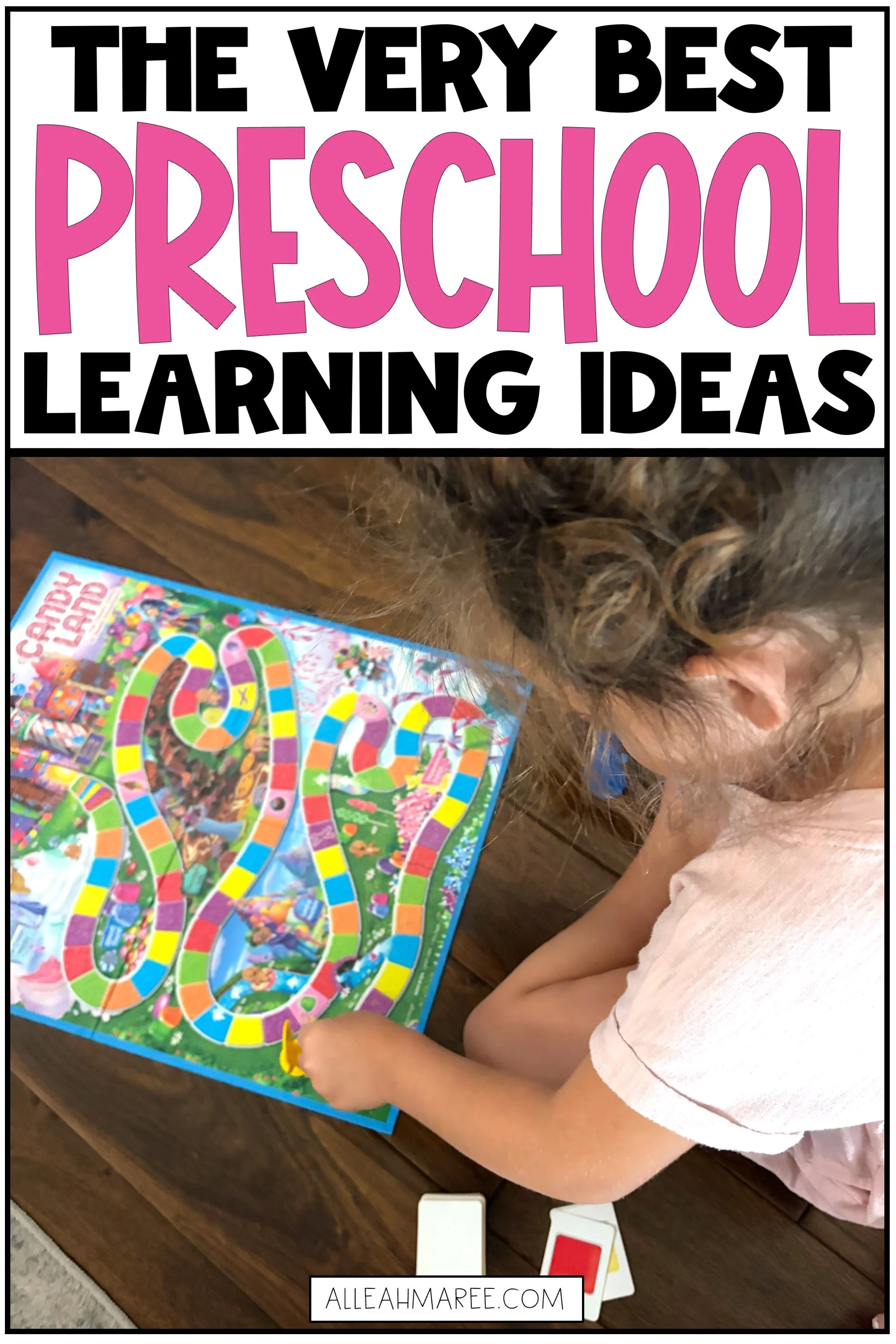
1. Play-Based Learning: The Foundation of Everything
Play isn’t just fun…it’s actually the best way for preschoolers to learn new concepts.
When children play, they’re building essential skills for life, like problem-solving, creativity, language development, and emotional regulation. All from just playing!
High-Impact Play Activities
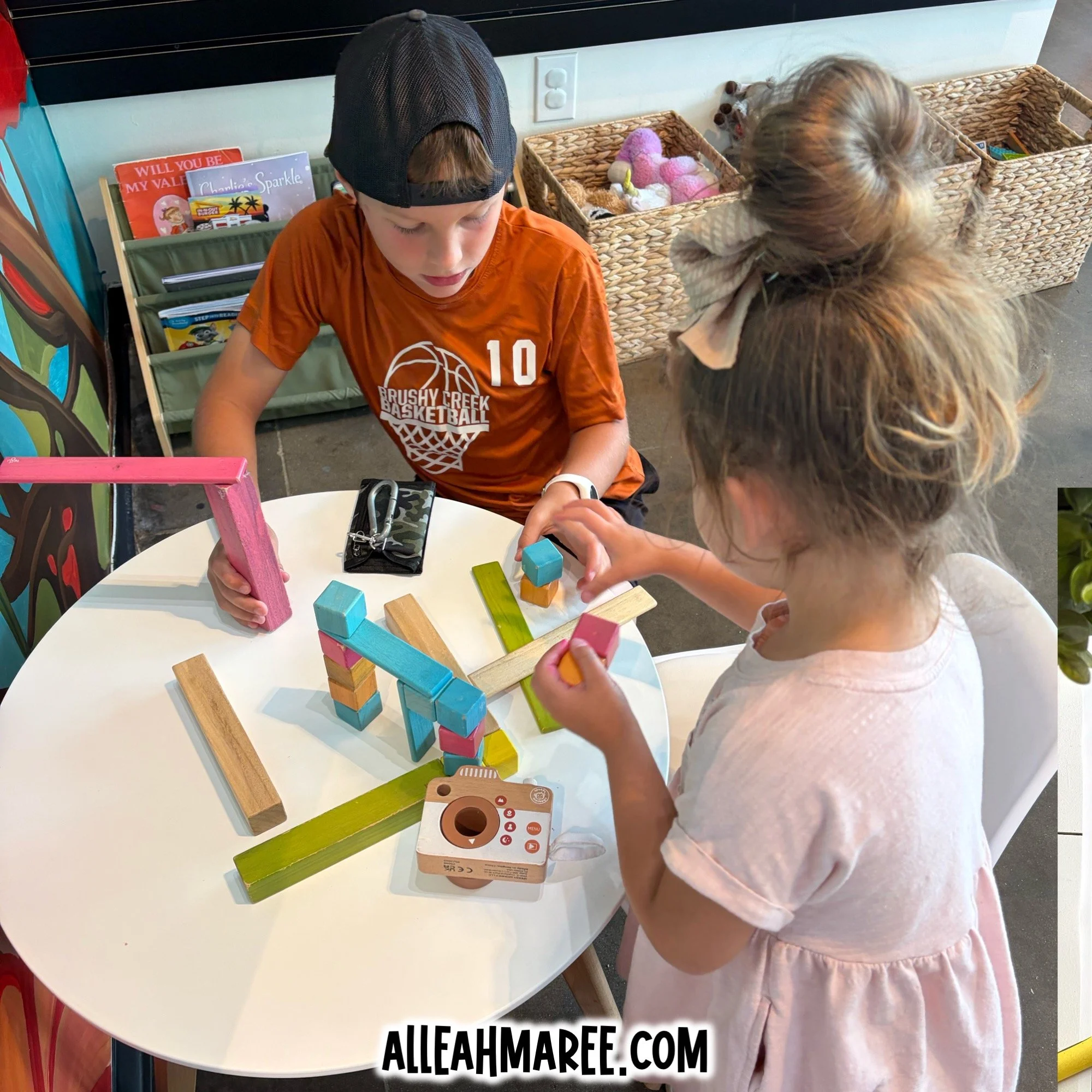
Open-Ended Play
Providing kids with materials like blocks, LEGOS, Magnatiles, or everyday objects that encourage creativity and critical thinking are a great way to allow kids to learn on their own terms. There’s no “right” way to play, so allowing opportunity to experiment and explore is ideal.
Pretend Play or Dramatic Play
Whether they’re playing house, running a pretend store, or acting as a doctor, children develop language skills, empathy, and social understanding through role play. Pulling out a few dress-up items always adds to this kind of fun!
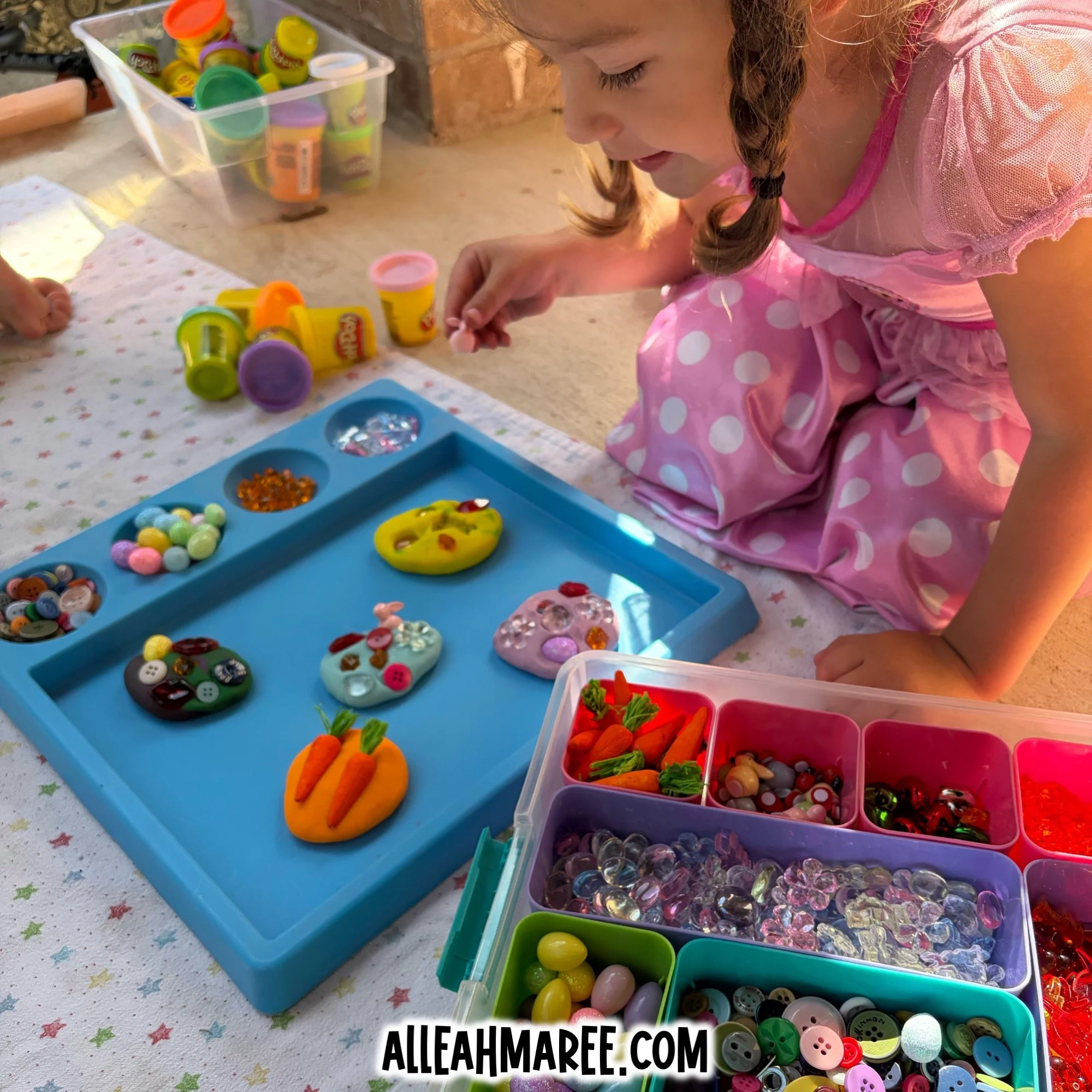
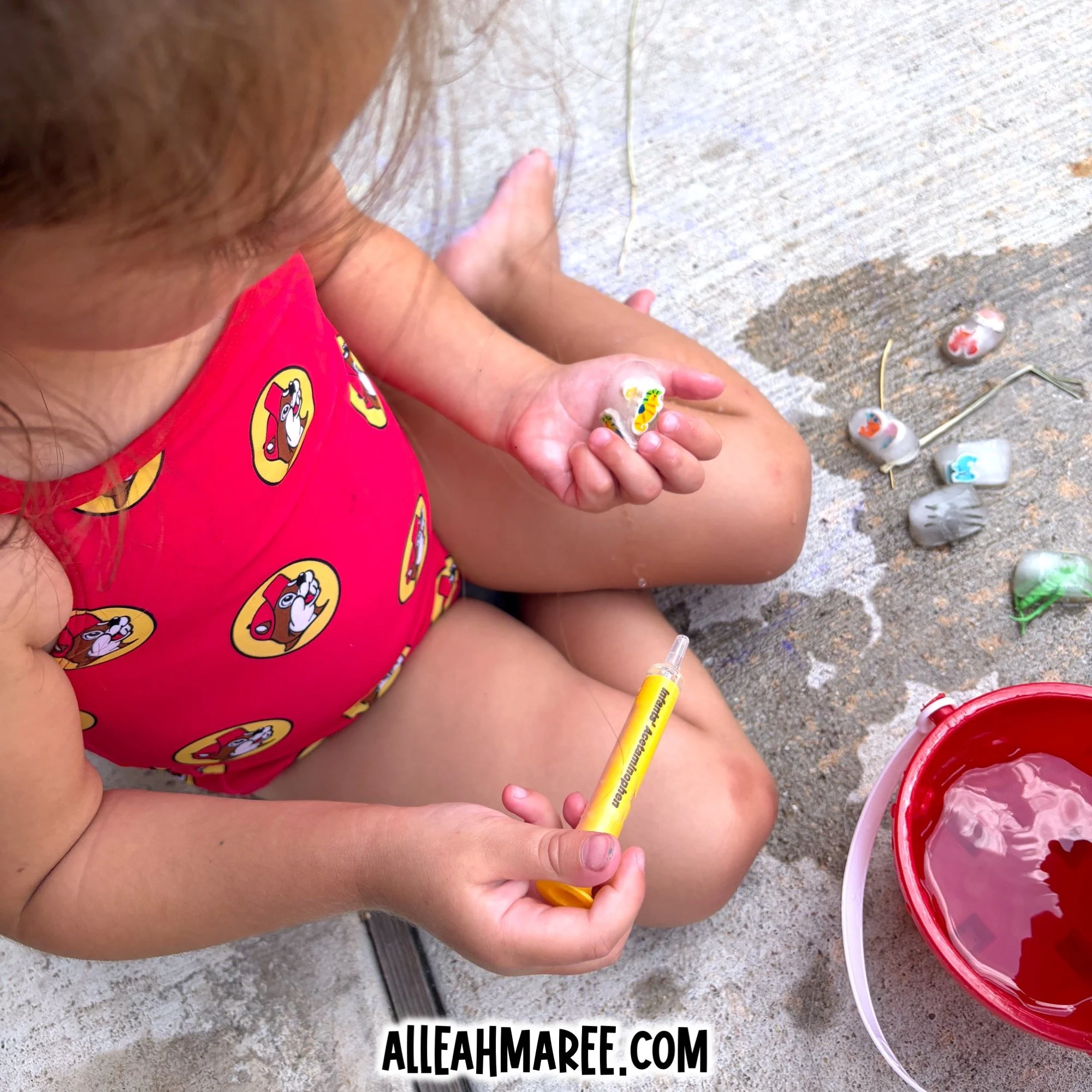
Sensory Play
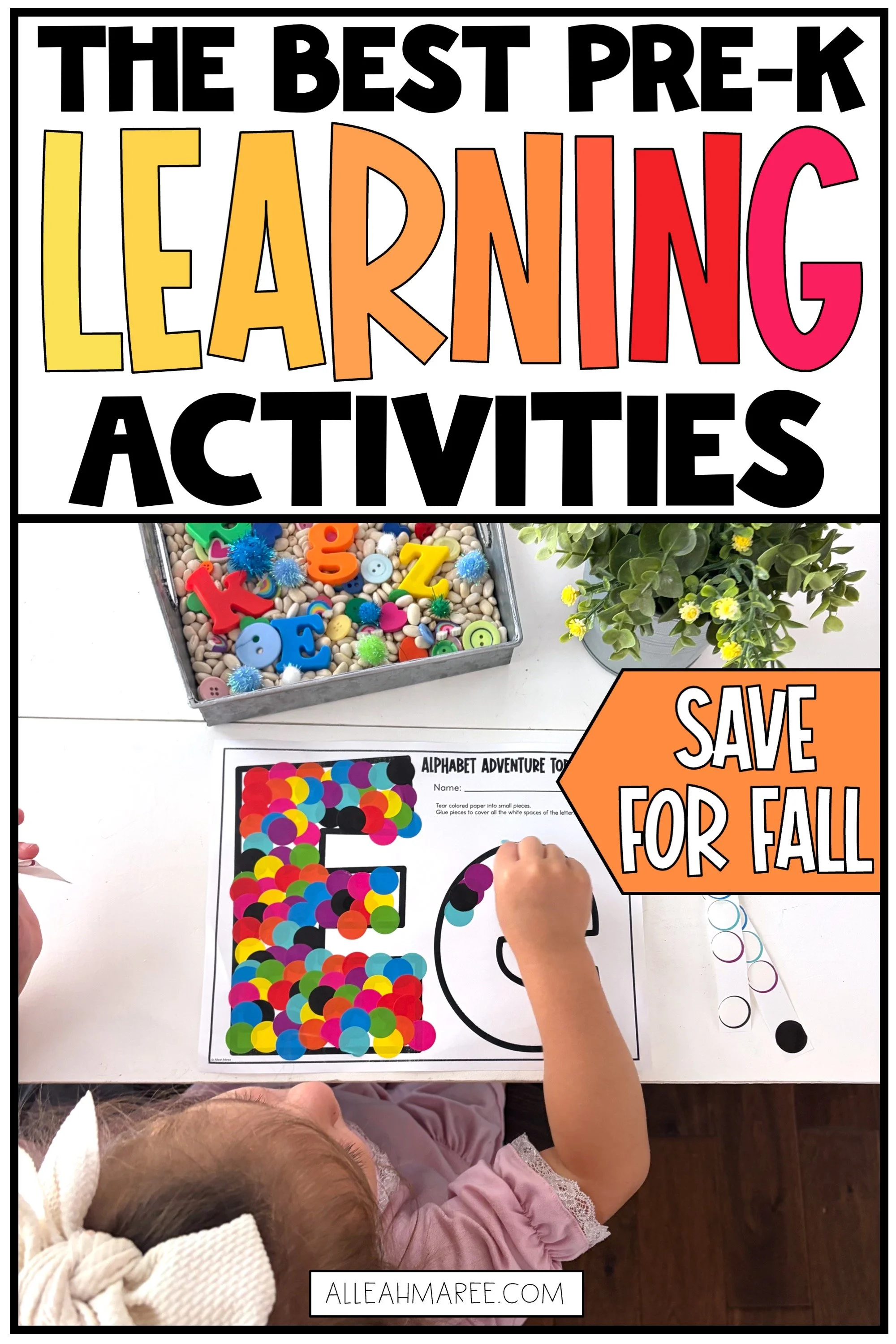
Activities that involce water, sand, rice, beans, or playdough all help children explore textures, develop fine motor skills, and understand cause-and-effect relationships as they play. It’s simple to dump the filler you choose into a bin and let the learning begin!
Pro Tip: Try letting your child lead the play. If you provide the space, materials, and encouragement, they’ll most likely do the rest. 🙂
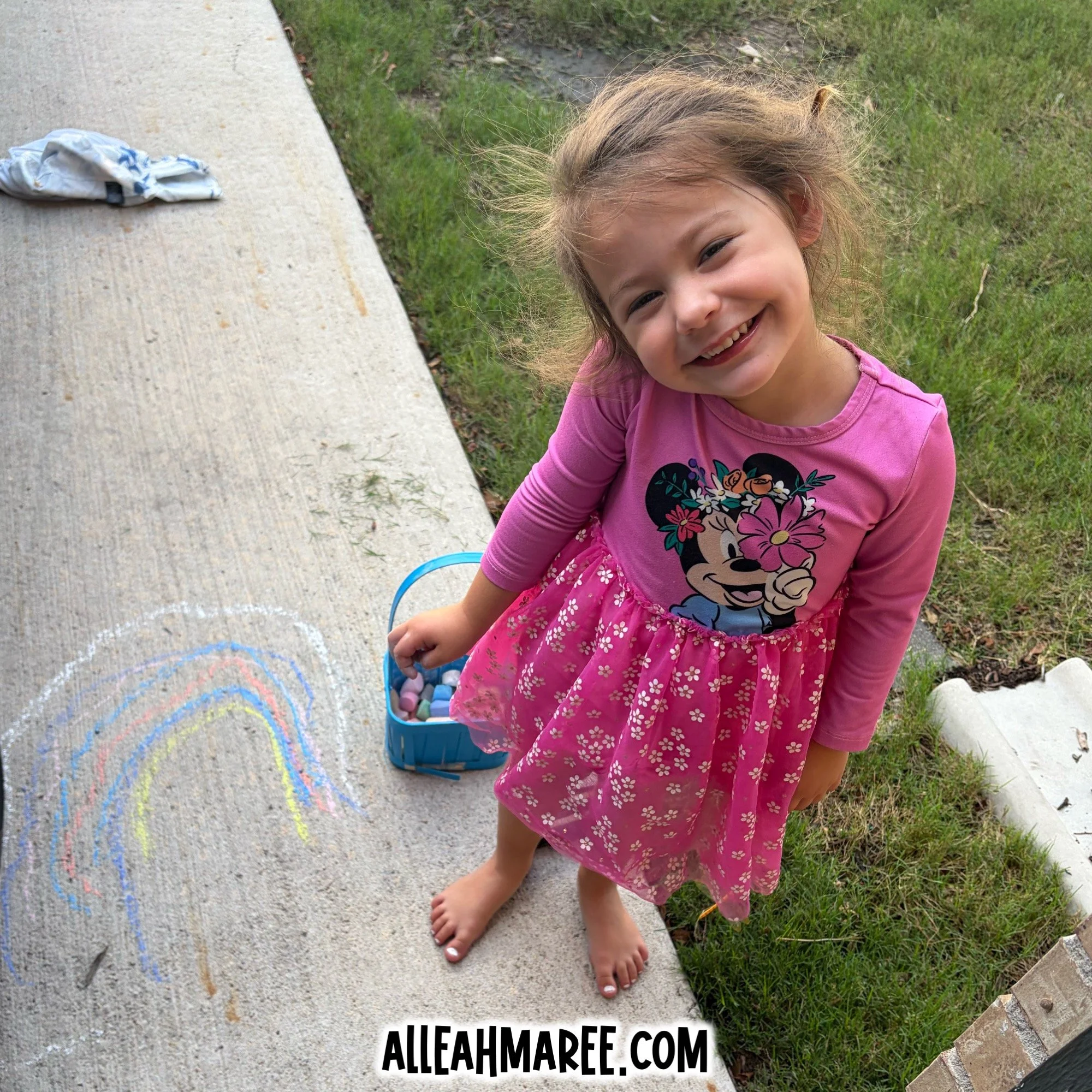
2. Everyday Activities Are Learning Opportunities
You don’t need extra time or fancy setups to help your preschooler learn.
Some of the most powerful learning moments happen during your regular daily routines.
Simple Ways to Teach Throughout the Day
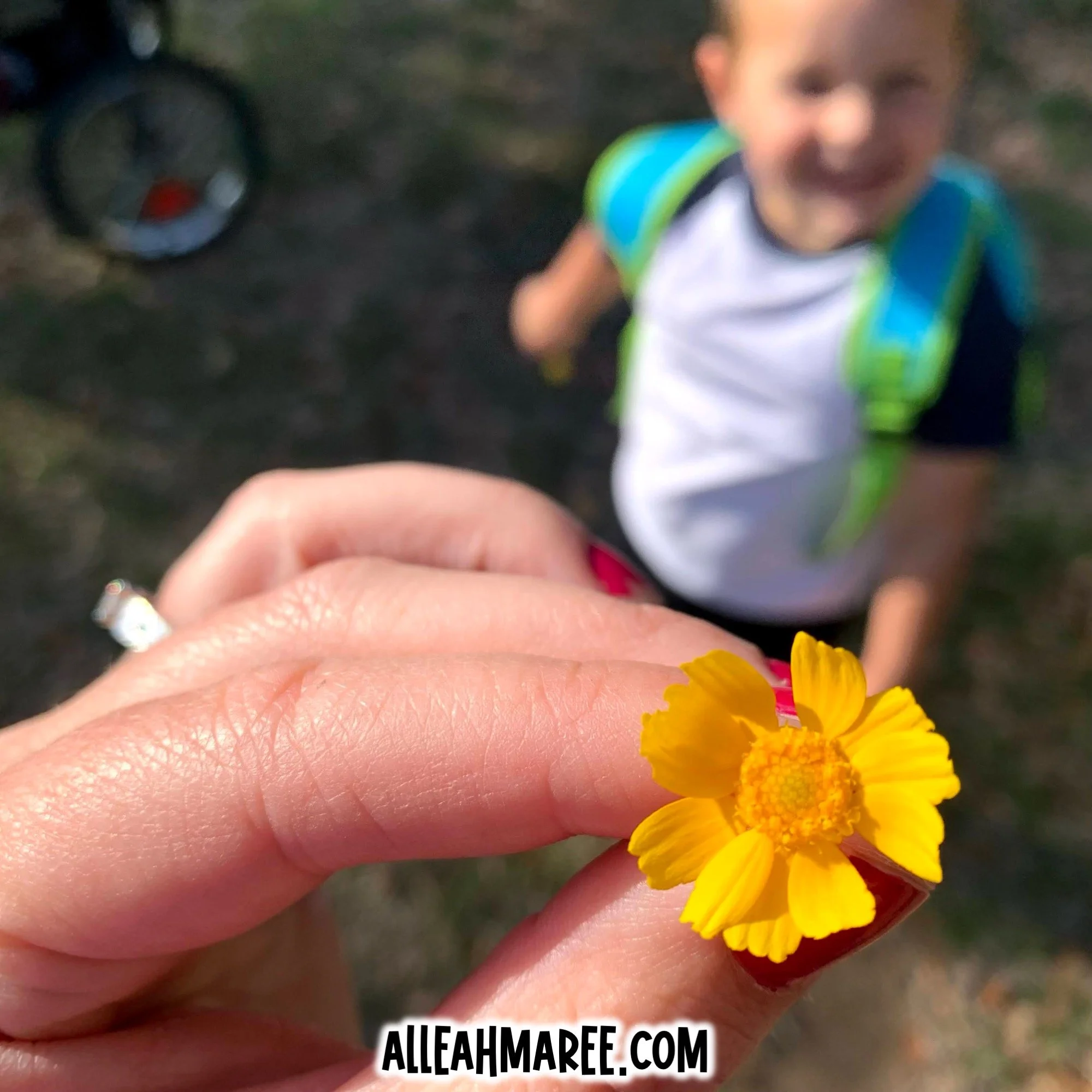
Talk and Ask Questions
Narrate what you’re doing and ask your preschooler open-ended questions like, “What do you think will happen next?” or “Why do you think this happened here?” This builds vocabulary, critical thinking, and language skills in an almost unintentional way! Ha!
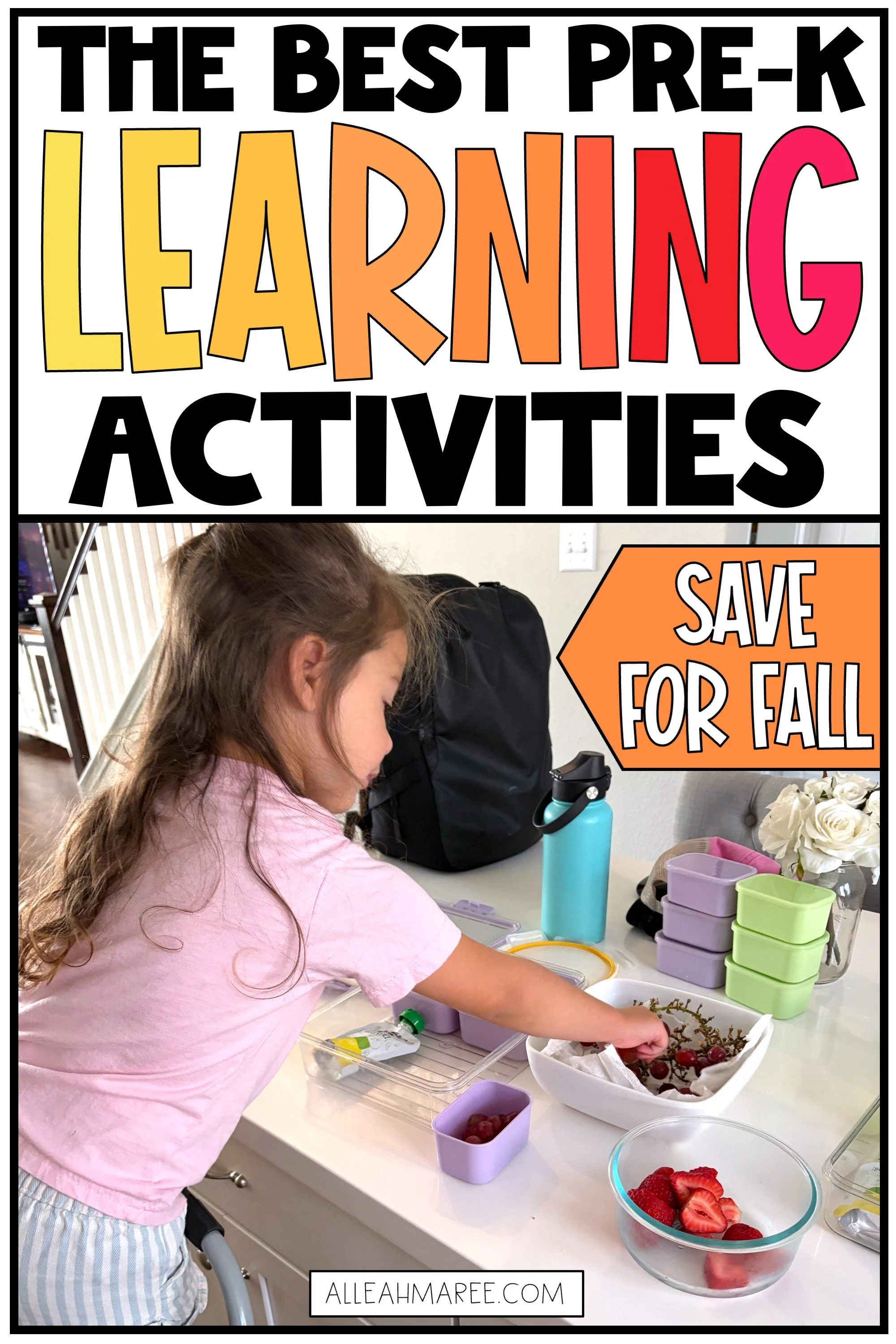
Include Them in Real-Life Tasks
Cooking, cleaning, and grocery shopping all offer natural learning opportunities, like:
Counting ingredients (builds math skills)
Sorting laundry (teaches categorization)
Measuring (develops early science concepts)
Identifying letters (reinforces letter names and sounds)
Follow Their Interests
If your kiddo loves dinosaurs, trucks, princesses, or bugs, use those interests as simple entry points to learning! Interest-driven activities are more engaging and memorable EVERY time, so include something they already love however possible.
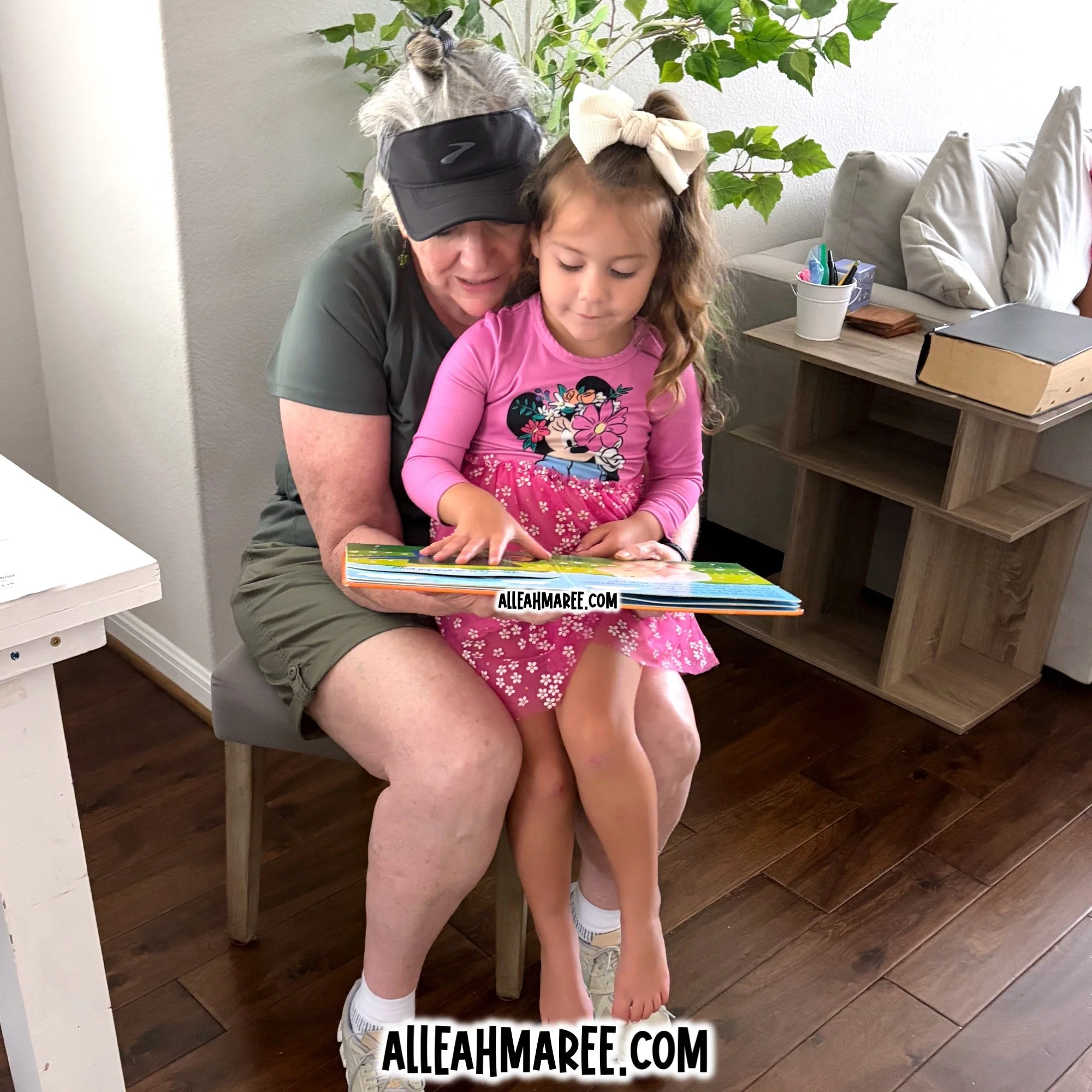
Read Every Day
Reading together strengthens language development, attention spans, and imagination. Ask questions, make predictions, retell important parts, and let your child interact with the story. Even naming pictures or identifying letters as you read is simple, foundational skills.
Big Idea: You don’t need to add MORE to your schedule. Being a little more intentional with what you’re already doing and it’ll work well.
3. Structured Activities Without Pressure
While play and daily life are obviously essential, a small amount of structured activity time can help preschoolers build foundational skills for school readiness too!
The important things about structured learning to keep in mind are: keep it short, fun, and flexible!
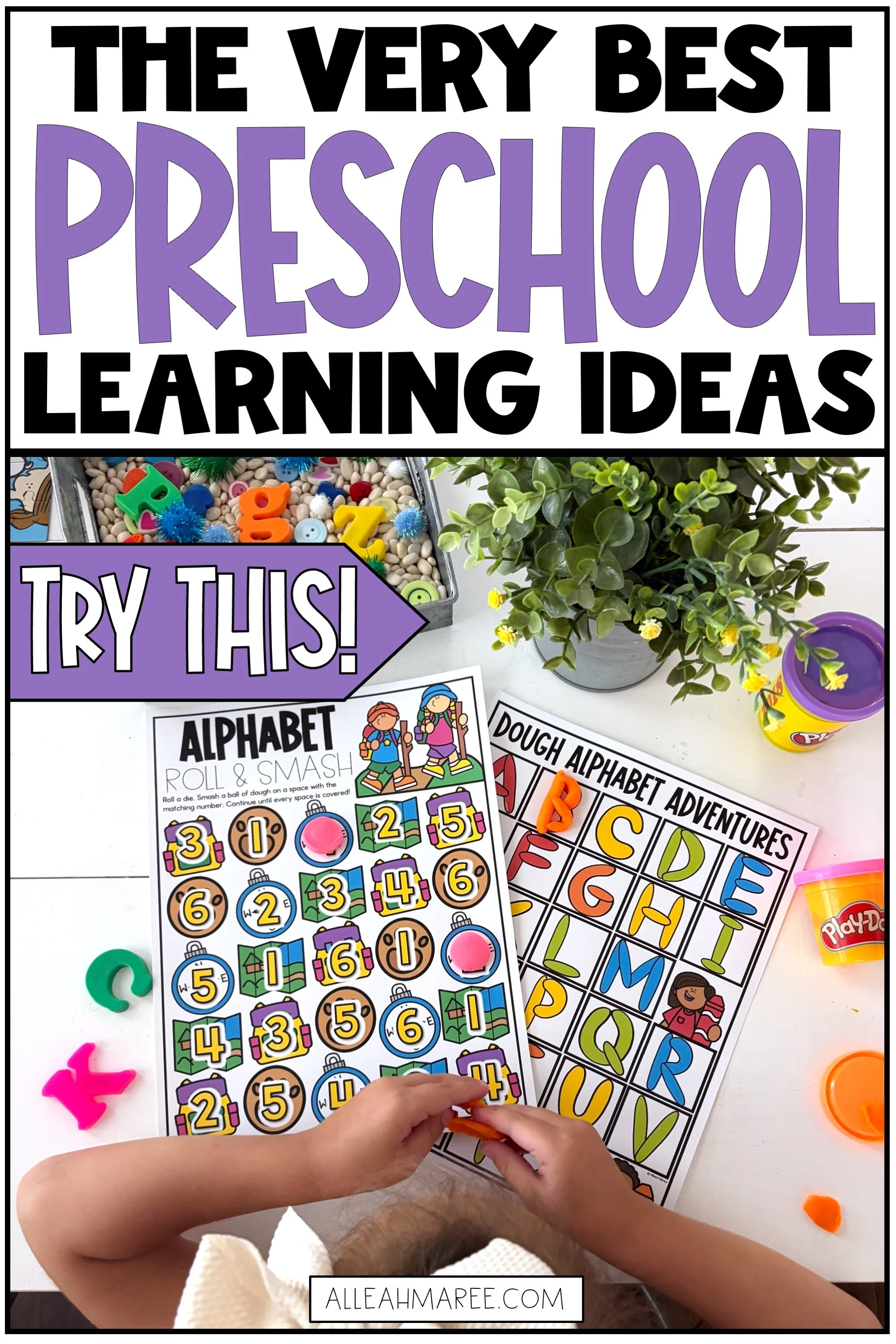
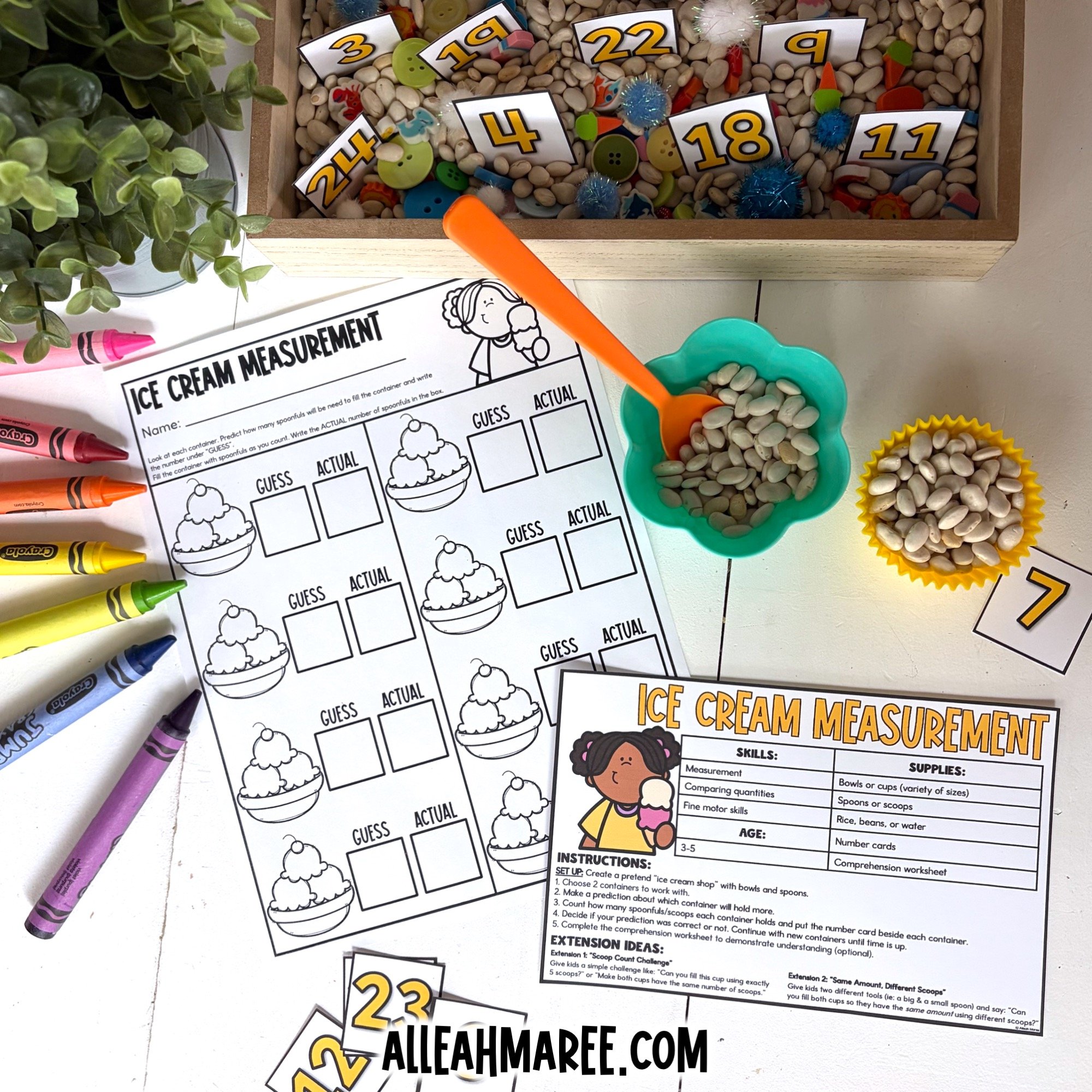
Effective Structured Activities
Sorting and Matching Games
Kids can practice grouping objects by color, size, or shape. Even matching up socks or organizing toys by an attribute is a “structured” activity that can build early math and logic skills.
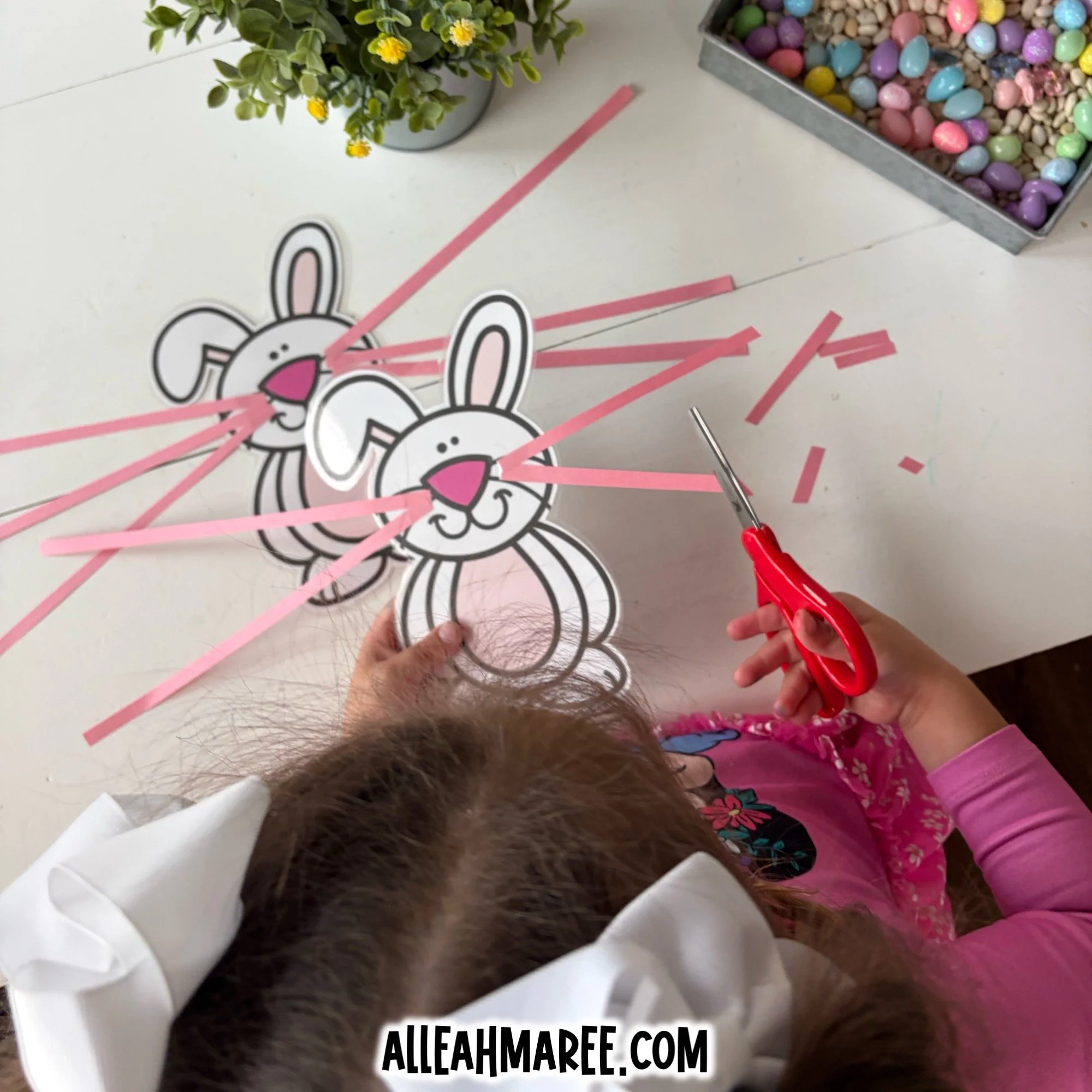
Fine Motor Practice
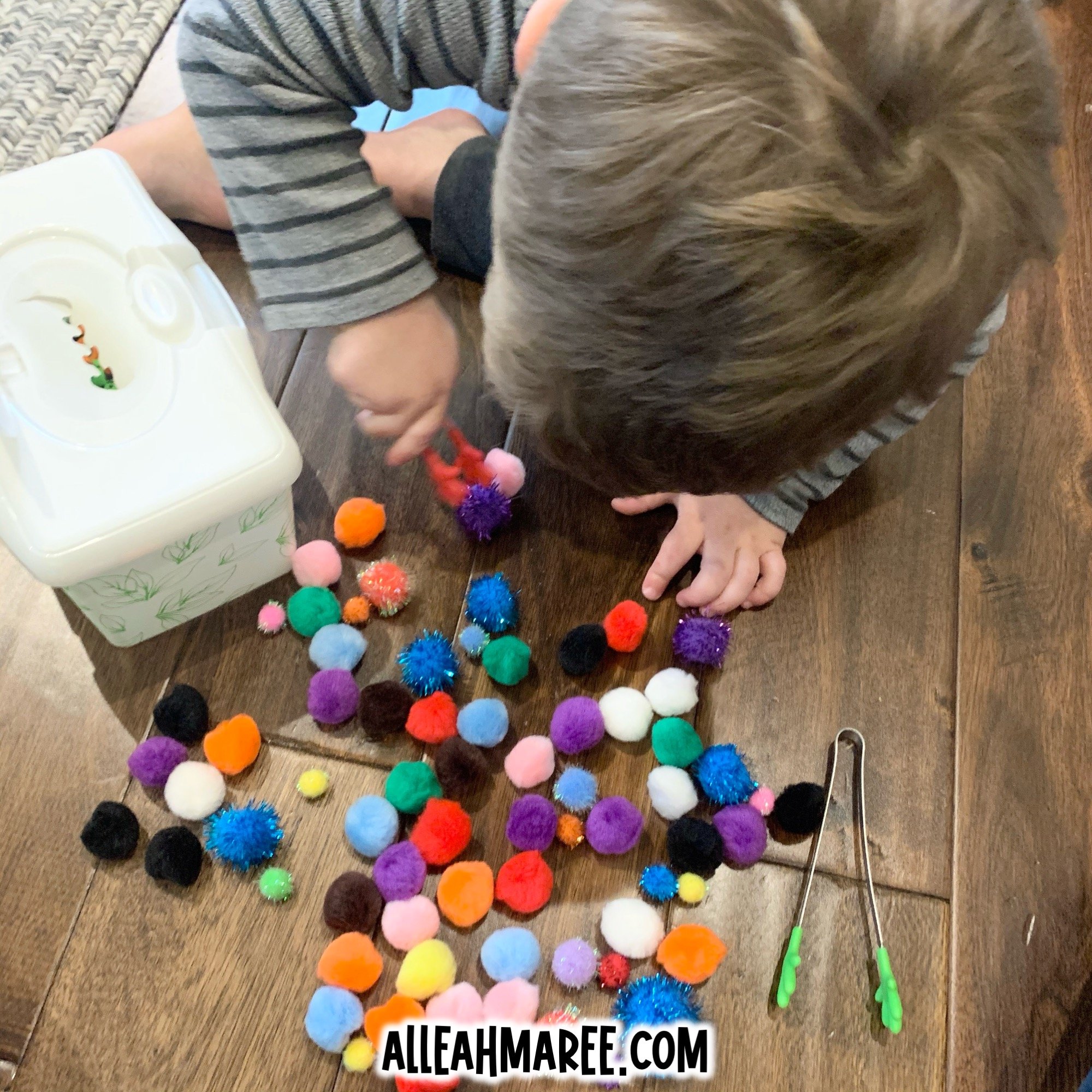
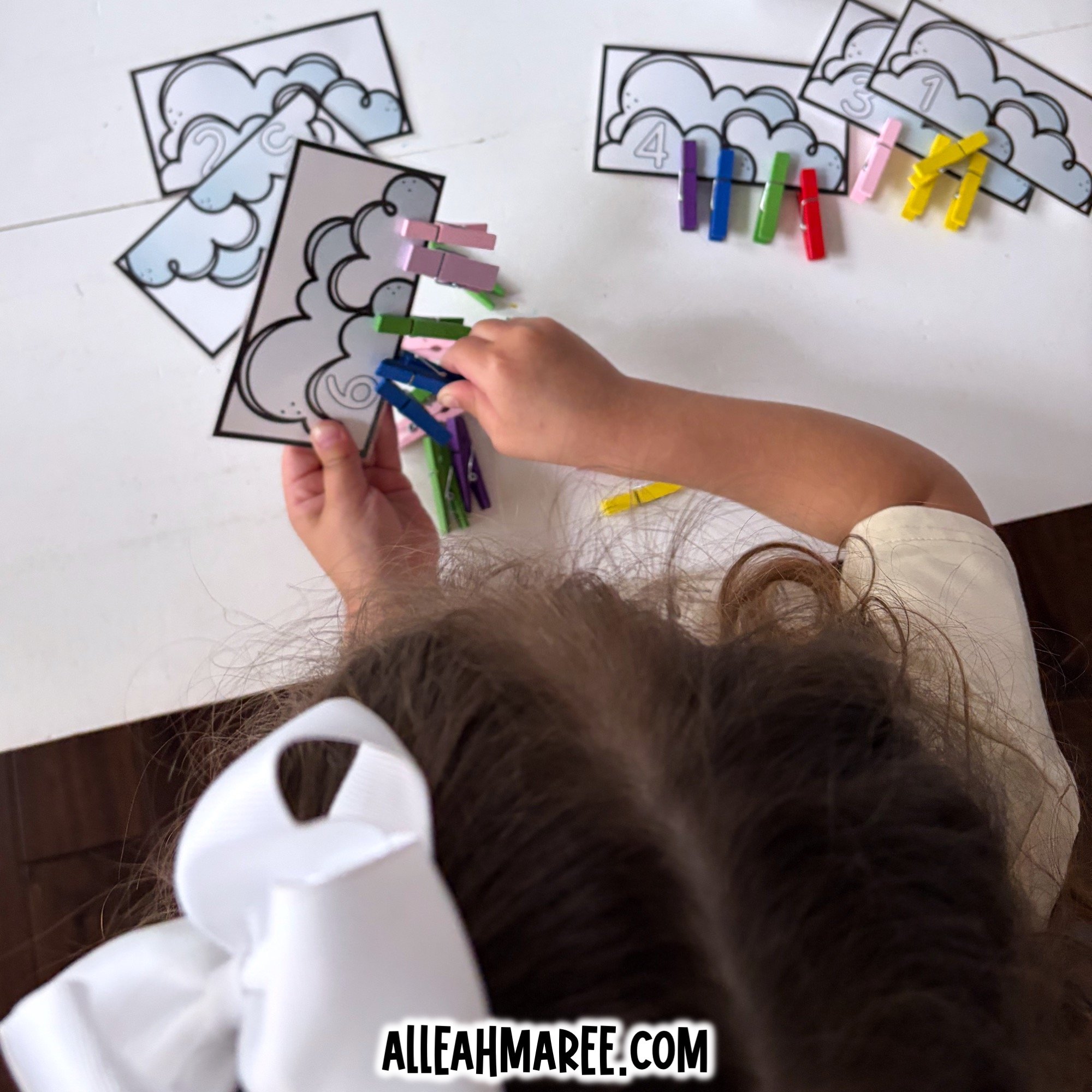
Activities like cutting with safety scissors, drawing, threading beads, or using tweezers help strengthen the muscles needed for writing and are PERFECT for preschoolers and toddlers. These activities are highly engaging AND amazing for fine motor muscles.
Early Literacy Games
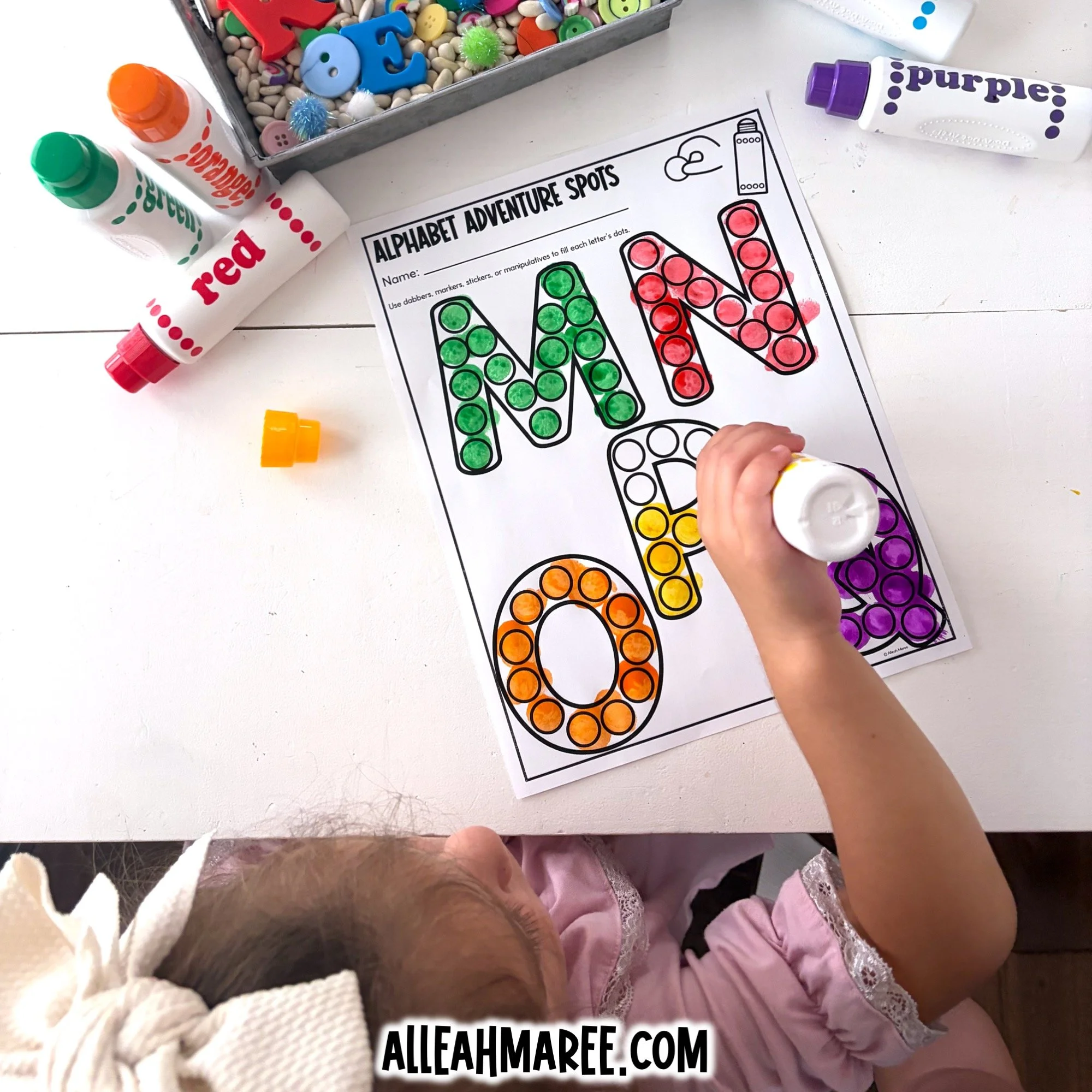
Try out some rhyming games, letter hunts, or identifying beginning sounds in words they hear. Exposure to lots of stories, literacy games, and letter play builds pre-reading skills in a playful way that little kids LOVE.
Short Learning Times
Keep activities quick (10–15 minutes max) to meet your kiddo’s attention span and avoid frustration if possible.
Finding the Right Balance
The most effective approach to learning with preschoolers a simple mix of fun:
Mostly play (yay!)
Lots of conversation and interaction
A small amount of planned, structured activity time
This kind of balance helps academic growth, as well as social and emotional development too (which sometimes gets overlooked).
Wrap-It-Up Encouragements
If you’ve ever worried about whether your preschooler is “learning enough,” here’s a little reassurance:
Learning at this age doesn’t need to be complicated.
When kids are playing, exploring, talking, and engaging with the world around them, they’re building the skills they need for school and for life.
So instead of asking, “What should I be teaching?”, try asking, “How can I support their curiosity?”
Because THAT’S where the real learning begins.
Cheering you on always!