

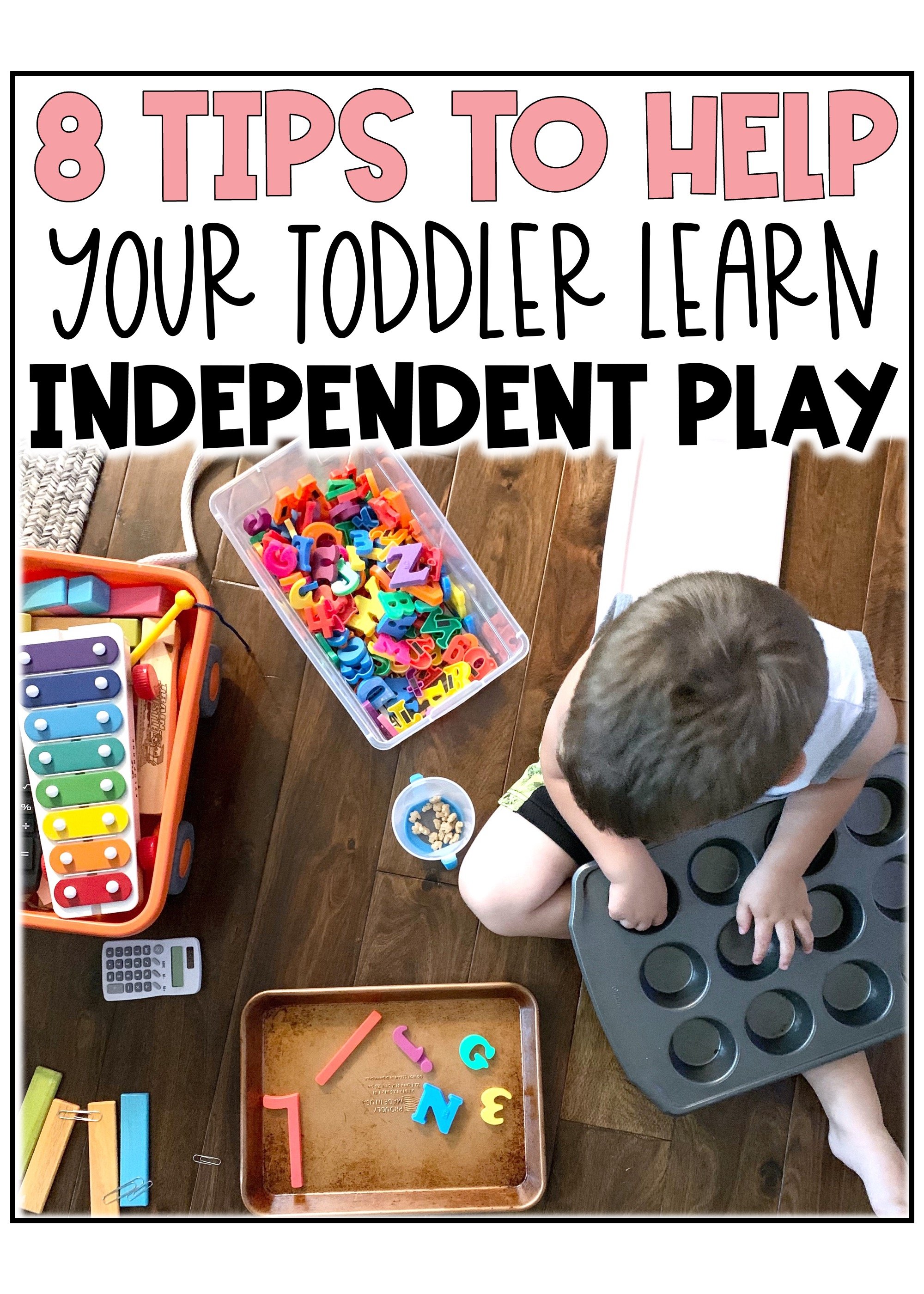
8 Tips to Help Your Toddler Learn Independent Play
How to Teach Your Toddler Quiet Time (Even If They Won’t Nap Anymore)
When your toddler drops their nap, many parents introduce what we call “quiet time.”
Quiet time is when your child spends time in their room playing independently instead of sleeping. In our house, my 3-year-old uses this time to choose his own activities—books, Magnatiles, Legos, pretend play, Brain Flakes, dress-up, stuffed animals, cars, and more.
When we first started quiet time, I pictured something magical.
I imagined checking the monitor and seeing him peacefully building detailed Lego cities, reading books in his rocking chair, or creating beautiful Magnatile towers.
But that was not reality.
Reality looked more like dumping Legos on the floor after three minutes, shouting in frustration, and needing mama to come help. Then six minutes later, he was completely done and ready to leave his room.
If your toddler struggles with quiet time or independent play, you are definitely not alone. Independent play is a skill—and like any skill, it takes practice.
Here are the tips that helped us successfully teach quiet time and build independent play skills.
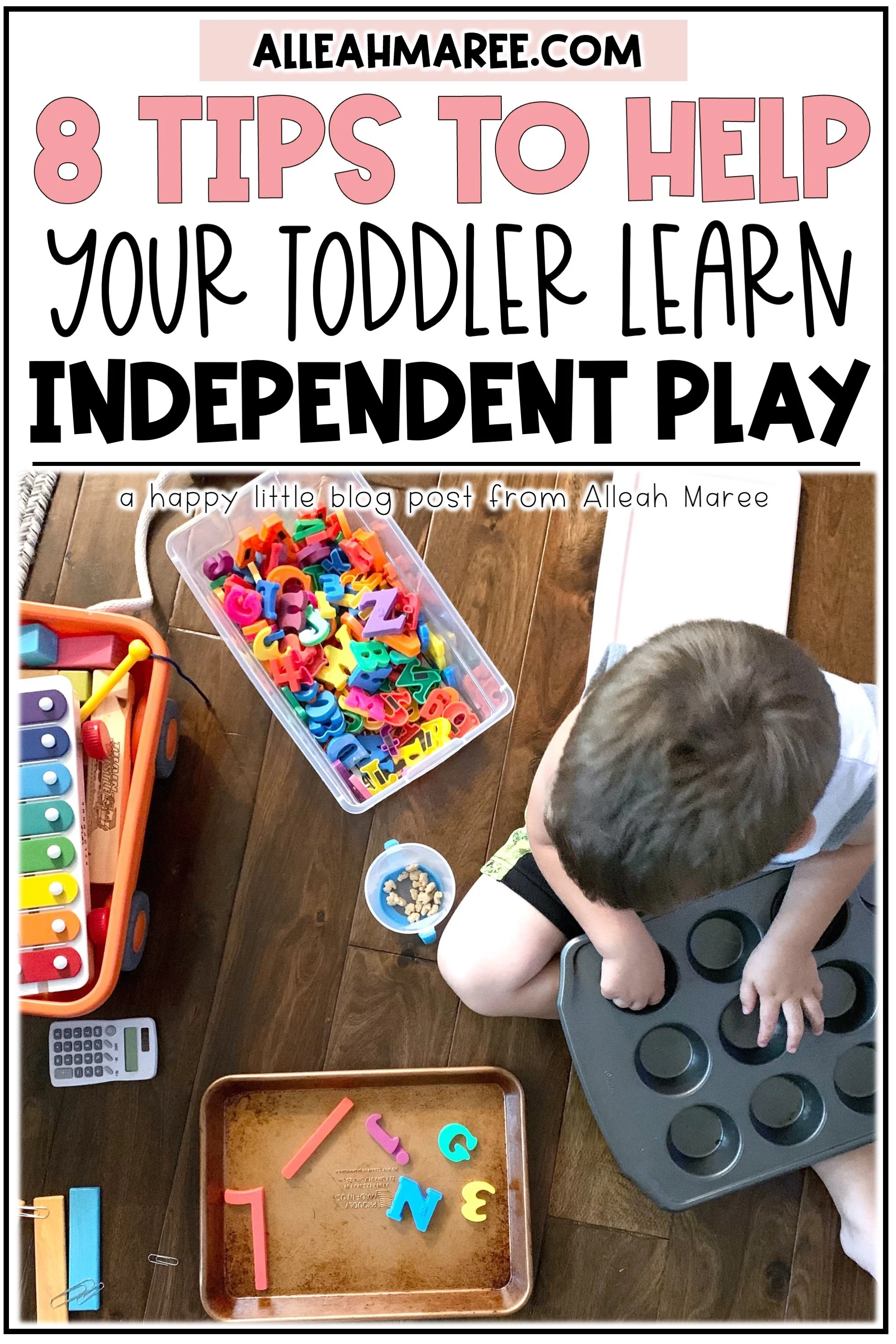
Why Quiet Time Is Important for Toddlers and Preschoolers
Quiet time helps children:
Build imagination and creativity
Develop independent play skills
Learn problem-solving
Improve focus and attention
Gain confidence in their abilities
It also gives parents much-needed time to rest, work, or reset during the day.
If your child struggles with quiet time at first, that’s completely normal.
8 Tips to Help Your Toddler Learn Independent Play and Quiet Time
1. Practice again and again.
This was the biggest game changer for us.
Independent play doesn’t happen overnight. My son needed MANY opportunities to practice using his imagination before it started to click.
Consistency is key. Even when it feels like it’s not working, keep offering quiet time daily. Over time, their ability to play independently will grow.
2. Limit Toy Choices
Too many options can feel overwhelming for young children.
Instead of saying, “You can play with anything,” try offering 2–3 specific choices, such as:
Magnatiles
Books
Dress-up
Legos
3. Provide Snacks and Water
Hungry kids don’t play well.
Offering a simple snack and water before quiet time helps meet their physical needs so they can focus on playing.
Full bellies support longer, happier independent play.
4. Start Small and Build Up
Start with just 5–10 minutes of quiet time.
Set a timer and tell your child you’ll come check on them when it goes off. When the timer ends, follow through and check on them.
Slowly increase the time as their confidence grows.
This helps them feel successful and safe.
5. Model Independent Play
Children learn by watching you.
Spend 10–15 minutes playing quietly alongside your child. You don’t need to direct or lead—just model calm, focused play.
This shows them what independent play looks like and helps them learn how to do it themselves.
6. Use a Visual Timer
Toddlers don’t understand time well.
A visual timer helps them SEE how much time is left, which reduces anxiety and helps them stay engaged longer.
Visual timers are one of the most effective tools for quiet time success. This is the one we usually use at home!
7. Don’t Interrupt Their Play
Once your child is playing independently, avoid interrupting.
It can be tempting to ask questions or praise constantly, but interruptions can break their concentration.
Independent play builds focus. Let them stay in their creative flow.
This is when the magic happens.
8. Play Calm Background Music
Soft, calm music can help create a peaceful environment for quiet time.
Instrumental music helps:
Set a calm tone
Reduce distractions
Encourage longer play sessions
We’ve noticed a big difference when quiet time includes calm background music.
How Long Should Quiet Time Be?
Every child is different.
Start with 5–10 minutes and gradually work up to 30–60 minutes over time.
The goal is progress, not perfection.
Some days will be easier than others, and that’s okay.
Quiet Time Is a Skill That Takes Time
If quiet time feels frustrating right now, don’t give up.
Independent play is something children learn slowly through practice, patience, and consistency.
Over time, quiet time can become one of the most valuable parts of your day—for both you and your child.
It gives your child the opportunity to build creativity, confidence, and independence.
And it gives you a moment to breathe.
Save This for Later
If you’re working on quiet time with your toddler, save this post for later and come back to it as needed.
You’re doing an amazing job, mama.
Cheering you on!

** This post contains affiliate links. If you purchase any of the products I already love and am linking for you, I’ll receive a small percentage of the profit that the website makes from your purchase at no extra cost to you. :) Such a win-win-win! **
Wanna follow me on TPT? CLICK HERE!
Is Instagram more your thing? CLICK HERE!
To peek at my Facebook page, CLICK HERE!
